
Ever wondered why your homemade curries don’t have that special warmth found in traditional kitchens in Maharashtra? The secret often lies in a single, aromatic blend passed down through generations.
Making this authentic goda masala recipe at home lets you control the quality of every spice. You’ll find the process deeply rewarding, filling your kitchen with a unique earthy fragrance that store-bought versions can’t match.
Whether you’re an experienced cook or just starting out, mastering this blend connects you to India’s culinary heart. We’ll show you the traditional Aaji style techniques to make sure your pantry is stocked with the finest ingredients. If you prefer convenience, our buying guide will help you find the best pre-made options available today.
Key Takeaways
- Learn the traditional Aaji style method for an authentic flavor profile.
- Discover the health benefits of using freshly toasted, high-quality spices.
- Master the art of balancing earthy and sweet notes in your cooking.
- Follow our expert tips to store your blend for maximum freshness.
- Use our comprehensive buying guide to find the best store-bought alternatives.
The Essence of Maharashtrian Cuisine
Goda Masala is at the heart of Maharashtrian cooking. It’s a spice mix that captures the region’s culinary spirit. This mix adds flavor to many traditional dishes, making them special.
Goda Masala is more than spices; it’s a family secret. Passed down through generations, it’s a key part of Maharashtrian culture. It’s used in family gatherings and celebrations.
The Cultural Significance of Goda Masala
Goda Masala is essential in Maharashtrian cuisine. It’s used in curries and vegetable stir-fries. The spices in Goda Masala give these dishes their unique taste.
Making Goda Masala is a family affair. Each family has its own secret recipe. This makes dishes personal and strengthens family bonds.
| Dish | Role of Goda Masala | Flavor Profile |
|---|---|---|
| Traditional Amti | Enhances the overall flavor | Balanced and slightly sweet |
| Vegetable Stir-Fries | Adds depth and warmth | Spicy and aromatic |
| Pulav | Provides a rich and complex flavor | Earthy and slightly spicy |
Why Homemade Masala Beats Store-Bought Alternatives
Making Goda Masala at home lets you control the ingredients. You can make it fresh and without additives. Homemade Masala can be adjusted to your taste, making it better than store-bought.
Key advantages of homemade Goda Masala include:
- Customization of spice levels
- Freshness and aroma
- Absence of preservatives
By making your own Goda Masala, you can keep it fresh. This way, you can enjoy your favorite Maharashtrian dishes at their best.
Understanding the Authentic Goda Masala Recipe
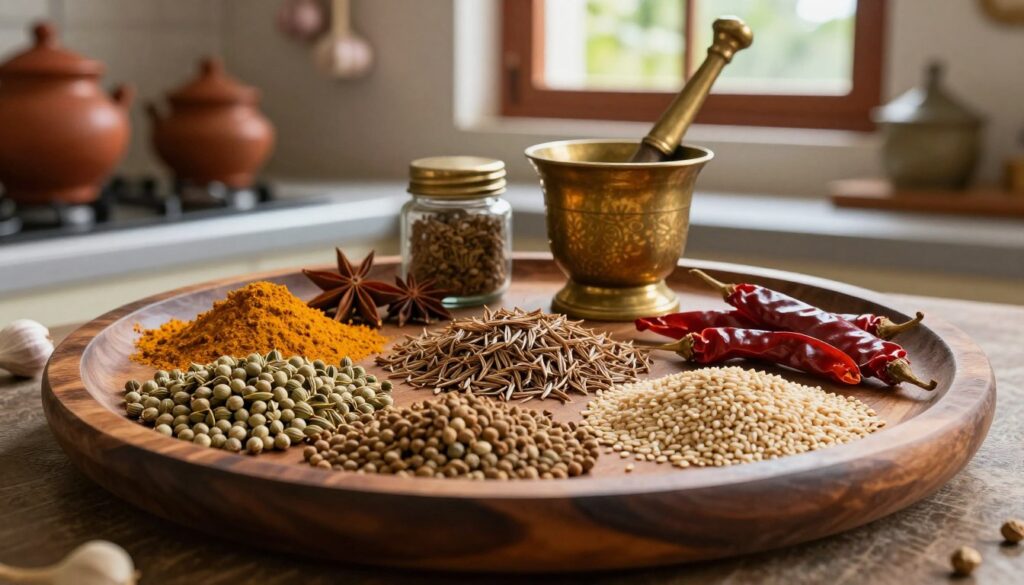
Making Goda Masala is all about knowing its traditional recipe and the importance of its ingredients. To make it at home, you must appreciate the details that make it special in Maharashtrian cuisine.
Goda Masala is more than spices; it’s a showcase of Maharashtra’s rich culinary history. The Aaji Style, in particular, stands out with its unique flavor that’s both aromatic and slightly sweet.
What Makes the Aaji Style Unique
The Aaji Style of Goda Masala is special because of its unique spice blend and preparation method. High-quality ingredients and precise roasting make it different from other versions.
Its uniqueness also comes from ingredients like Dagad Phool, or stone flower. This adds a distinct flavor and aroma to the Aaji Style Goda Masala.
The Role of Dagad Phool and Stone Flower
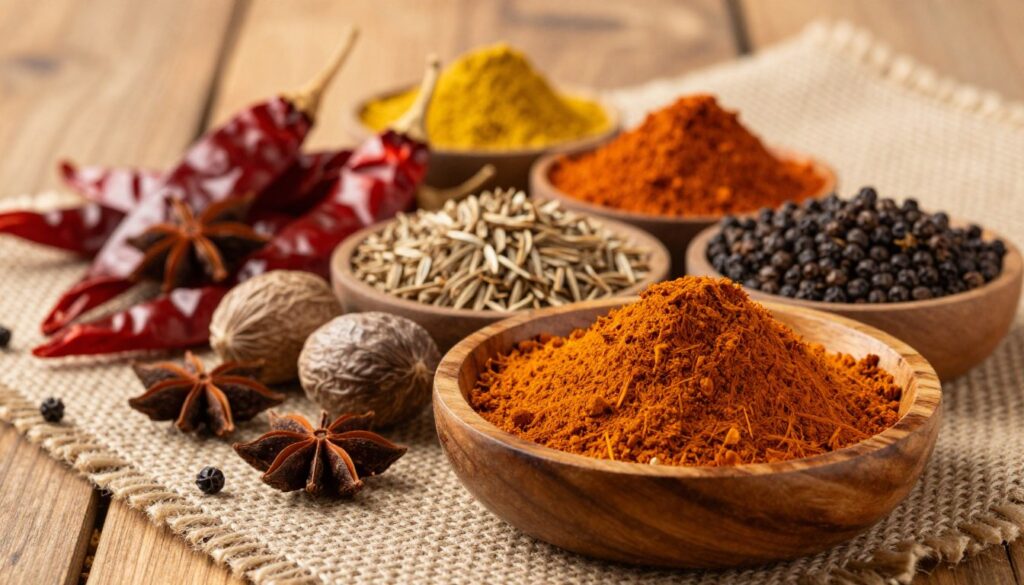
Dagad Phool, or stone flower, is key in Goda Masala. It’s a type of lichen that grows on rocks, known for its earthy taste and smell. Adding Dagad Phool deepens the masala’s flavor, making it hard to replicate with other ingredients.
Dagad Phool blends with other spices to create a balanced flavor. This makes Goda Masala a versatile ingredient in Maharashtrian cooking. It can enhance any dish, from traditional curries to everyday meals.
Understanding Dagad Phool’s role and the Aaji Style’s uniqueness helps you make authentic Goda Masala at home. It’s sure to impress anyone.
Essential Ingredients for Your Spice Blend
Goda Masala’s unique flavor comes from its ingredients of goda masala. Each part plays a key role in its taste and smell.
To make authentic Goda Masala, focus on quality spices and other key parts. This will help you create a blend that tastes just right.
Selecting High-Quality Coriander and Sesame Seeds
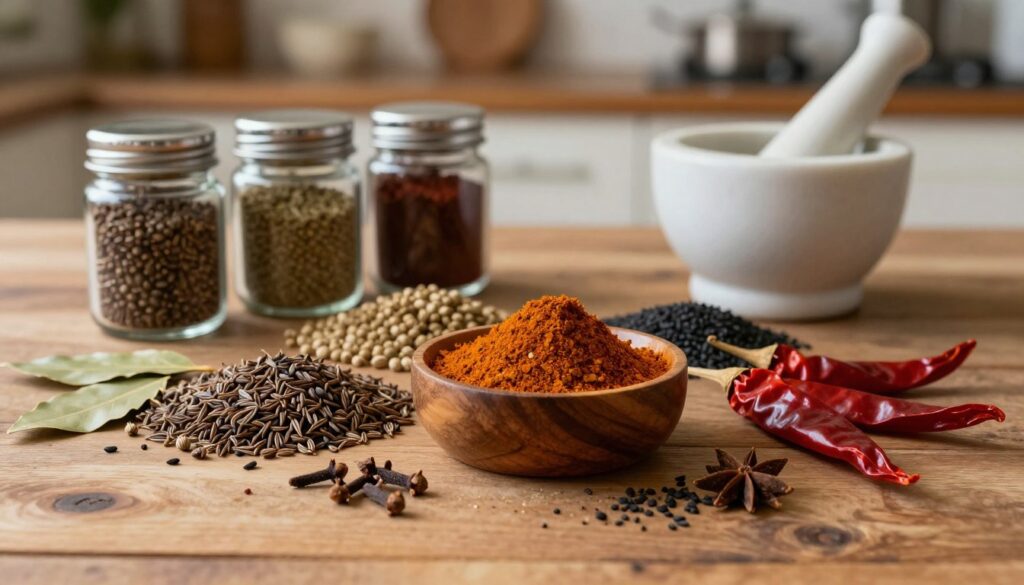
Coriander seeds and sesame seeds are crucial in Goda Masala. Choose plump coriander seeds with a warm, earthy smell. “The quality of coriander seeds greatly affects Goda Masala’s flavor,” a spice expert notes. Sesame seeds add a nutty taste and should be fresh and smell good.
For the best ingredients, buy from local markets or trusted suppliers. They can tell you about the ingredients’ origin and freshness.
The Importance of Coconut and Oil in the Base
Coconut is key in Goda Masala, adding depth and richness. You can use desiccated coconut or coconut oil for different flavors. The oil also helps roast the spices and boosts the flavor.
Choose high-quality coconut oil or another good oil for the right taste and consistency in your Goda Masala.
Balancing the Heat with Red Chilies
Red chilies add heat to Goda Masala. The type and amount of chilies change the flavor and spiciness. Adjusting the chilies lets you control the heat level.
When picking red chilies, think about their variety and heat. Some are milder, others hotter. Mixing chilies with other ingredients is important for a balanced flavor.
By choosing and balancing these key ingredients, you can make a Goda Masala that’s true to its roots and fits your taste.
Preparing Your Spices for Roasting
The secret to a great Goda Masala is in how you prepare your spices before roasting. This step is often missed, but it’s key for a balanced and rich taste.
Cleaning and Sorting Your Raw Ingredients
Before roasting, make sure your spices are clean and sorted. Remove any debris, stones, or impurities. For example, coriander seeds and sesame seeds need a close look and clean-up.
To clean your spices well, spread them out and pick out any bad stuff. For smaller seeds or spices, a fine-mesh sieve can be a big help.
Tip: Keep your cleaned spices in a cool, dry place until you roast them. This keeps their flavor and aroma fresh.
“The art of making Goda Masala starts with picking and preparing its parts. A great masala mixes flavors, textures, and smells, all improved by good prep.”
Measuring Ratios for a Balanced Flavor Profile
Getting the right flavor in your Goda Masala recipe is about the spice ratios. The Aaji Style recipe has a special mix that gives it its unique taste.
| Ingredient | Proportion |
|---|---|
| Coriander Seeds | 30% |
| Sesame Seeds | 20% |
| Coconut | 15% |
| Red Chilies | 10% |
| Other Spices | 25% |
These ratios can be tweaked to taste, but they’re a good starting point. Accurate measuring is key to keeping the flavors balanced.
Step-by-Step Roasting and Grinding Process
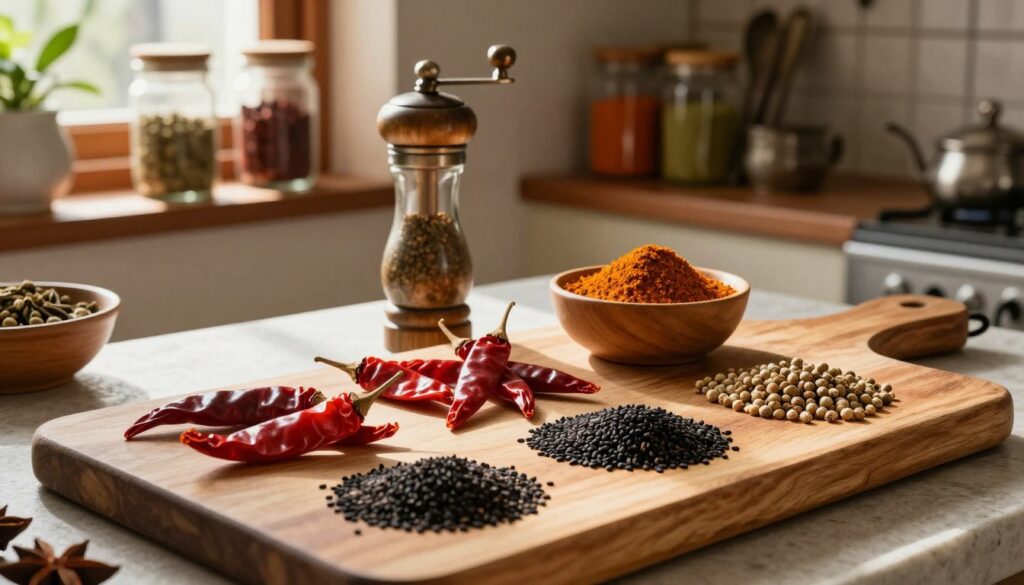
Roasting and grinding are key steps in making authentic Goda Masala. They need patience and focus. You must learn how to roast spices and grind them right.
Roasting Techniques for Different Spice Densities
Spices vary in density, which changes their roasting times. For example, coriander seeds and sesame seeds roast differently. Roast denser spices a bit longer to get their full taste.
Achieving the Perfect Dark Brown Color
The aim is to get a dark brown color from roasting. This shows the spices have released their aroma and flavor. Watch the spices closely as they roast, as the color can change fast.
Cooling and Grinding to a Fine Powder
Let the spices cool down completely after roasting. Grinding hot spices can lose flavor and aroma. Once cool, grind them into a fine powder with a grinder.
By following these steps, you’ll make a high-quality Goda Masala. It will add flavor and aroma to any Maharashtrian dish.
Tips for Achieving the Perfect Aaji Style Texture
Getting the right texture for your Aaji Style Goda Masala is key. It affects the flavor and how true it tastes. You need to follow a few important steps to make sure your masala is finely ground and even.
Managing Moisture During the Grinding Process
It’s important to control moisture because too much can cause clumps and unevenness. Make sure your spices are dry before you grind them. Roasting the spices correctly helps dry them out. If you roast in a pan, let them cool down before grinding.
“The secret to a great masala is in how you prepare it,” says a cook from Maharashtra. “Keeping the spices dry is just as crucial as roasting them,” they add.
Sieving for Consistency
Sieving is a must to get your Goda Masala to have the same texture. After grinding, sieving the masala gets rid of any lumps and big pieces. This makes a fine powder. It also improves the flavor and smell of your masala.
- Use a fine-mesh sieve for the best results.
- Sifting twice can ensure maximum consistency.
- Store the sieved masala in an airtight container to keep it fresh.
By following these tips, you can get the perfect Aaji Style texture for your Goda Masala. This will make your dishes taste more authentic, with a true Maharashtrian flavor.
Proper Storage and Shelf Life Maintenance
Keeping your homemade Goda Masala fresh is key. After making this important Maharashtrian spice blend, you want it to stay good for a long time.
Storing it right is the secret to a longer shelf life. Here’s how to keep it fresh:
Choosing the Right Airtight Containers
Use an airtight container to keep your Goda Masala fresh. Glass jars with tight-fitting lids are perfect. They keep air out and are safe for spices.
- Choose containers made for spices.
- Make sure the container is clean and dry before use.
- Don’t use containers that held strong-smelling foods, as they can affect your masala’s taste.
Preventing Humidity and Flavor Loss
Humidity can harm your spice blend. Store it in a cool, dry spot to keep its flavor.
Don’t store it near the stove or in sunlight. Heat and light can damage the spices. Instead, pick a cupboard or pantry that’s cool and away from moisture.
By storing your Goda Masala correctly, you can enjoy it longer. Remember, how you store it affects how long it lasts.
Culinary Applications for Your Homemade Masala
With your homemade Goda Masala, you can make traditional recipes taste better. This spice blend is great for many dishes, from curries to stir-fries. It adds a special flavor to your food.
Using Masala in Traditional Amti and Curries
Goda Masala is key in Maharashtrian cooking, like in Amti and curries. Amti, a lentil dish, gets a boost from Goda Masala’s rich taste. Add it towards the end to keep its flavor.
In curries, Goda Masala is the base spice. Mix it with coconut, tamarind, or yogurt for a tangy sauce. Adjust the amount to your liking, depending on the curry.
Enhancing Vegetable Stir-Fries and Pulav
Goda Masala also works well in vegetable stir-fries and pulav. For a stir-fry, sauté veggies and add Goda Masala at the end. It adds a warm, aromatic taste.
In pulav, mix Goda Masala with rice and other ingredients before cooking. This makes the pulav fragrant and flavorful, great for any meal.
| Dish | Usage of Goda Masala | Flavor Profile |
|---|---|---|
| Amti | Add towards the end of cooking | Rich, complex |
| Curries | Mix with other ingredients as a base spice | Rich, tangy |
| Vegetable Stir-Fries | Sprinkle towards the end of cooking | Warm, aromatic |
| Pulav | Mix with rice and other ingredients before cooking | Fragrant, flavorful |
Buying Guide for High-Quality Goda Masala Ingredients
Finding the right ingredients is key to making great Goda Masala. You need to focus on authentic spices, check dried ingredients’ freshness, and pick the right pre-packaged items.
Sourcing Authentic Spices from Local Markets
Quality and authenticity of spices are vital for a real Goda Masala. Local markets are great for finding genuine spices. Look for vendors who sell a lot of spices, as this means they’re fresh.
- Choose whole spices for better flavor and freshness.
- Spices should have bright colors and strong smells to be fresh.
- Buy from vendors known for quality and popularity.
Identifying Freshness in Dried Ingredients
Dried items like dagad phool and red chilies are key in Goda Masala. Checking their freshness is crucial for great taste.
- Look for vibrant colors, not faded ones.
- Fresh dried ingredients should have a strong smell.
- Watch out for moisture or dampness, which can cause mold.
What to Look for in Pre-Packaged Components
Pre-packaged items can be handy. But, knowing what to look for is important for quality.
| Ingredient | What to Look For |
|---|---|
| Spice Blends | Check the list for fillers or artificial stuff. |
| Dried Herbs | Make sure they’re stored right and dry. |
| Packaging | Choose airtight packaging to keep things fresh. |
By following these tips, you can make Goda Masala with top-notch ingredients. This will give you a more authentic and tasty spice blend.
Common Mistakes to Avoid When Making Masala
When you start making Maharashtrian Goda Masala at home, knowing the common mistakes is key. This spice blend is an art that needs precision and patience. Avoiding these mistakes will help you make a true and tasty Goda Masala.
One big challenge is getting the spices roasted just right. Burnt spices can ruin the whole blend, making it taste bitter. So, it’s important to watch the roasting closely.
Preventing Burnt Spices During Roasting
To stop spices from burning, use low to medium heat. This slow roast brings out the spices’ best flavors. Constant stirring is key to ensure even roasting and prevent burning.
Also, using the right amount of spices is crucial. Roasting in small batches helps you control the roasting. This way, each spice is roasted perfectly.
Avoiding Over-Grinding and Oil Release
After roasting, grind the spices into a fine powder. But, over-grinding can release oil from the spices. This makes the masala paste-like and can lose its aroma.
To prevent this, grind your spices in short intervals. Check the consistency after each grind. This method helps you get a uniform powder without oil release.
By knowing these common mistakes and avoiding them, you can make delicious and authentic Goda Masala. Your homemade blend will truly capture the essence of Maharashtrian cuisine.
Conclusion
The ingredients of goda masala are key to Maharashtrian cuisine. By using the Aaji Style recipe, you can make a real spice blend. This will make your dishes better.
With the right spices, you can make your kitchen taste like Maharashtrian food. You need to pick good spices, roast them, and then grind them. This way, your curries and stir-fries will taste amazing.
When you make Goda Masala at home, you’ll see a big difference. Homemade Goda Masala smells and tastes better than store-bought. So, get your ingredients ready and start cooking with this special spice blend.